...and i've felt that way for a while. Much like when i wrote about Love Live Superstar and Nijigasaki, i really feel JoJo fans don't give Part One enough credit. As an action comic, it's so cool !! Jonathan's chivalry and sun-based superpowers make him something like the last knight in a newly-dawning world, a Romantic Superman. As i've been getting back into Bloodborne, hunting beasts dwelling within a Gothic nightmare, i'm reminded of him as a light in that foggy darkness. A knight against nightmares. And quite frankly, calling Phantom Blood a "simple story" is a misnomer. It's sorter than the other parts and definitely involves more straightforward superpowers, but the literary merit of Araki Hirohiko's writing shines, perhaps, brightest in this part's storied setting.
Phantom Blood feels like a very artistically free work. The superpowered-martial-arts-knight-versus-vampire direction it goes is obviously very rule-of-cool, but even more than that, Araki's creative process is made apparent in the care given to the historical setting. You can really tell that he has a connection to this era in history for what it represented for humanity. It shows in the plot; Jonathan's youth is represented by the optimism of progress, the newborn steam engine, soaring wooden proto-coasters, a progressing understanding of athletics and medicine. Araki's attention to the literature of the period shows too, beyond his use of vampires as antagonist. You can see it in how Jonathan grows into an era of uncertainty, fear and murky alleyways; of Jack The Ripper and the suspicion that comes to the zeitgeist with whispers of an infamous serial killer. The shadows cast by ancient ideals grow wild. Treasures taken across continents to decorate mansions drink blood and eat ambition and grow into monsters which themselves burn the mansions down. All in all, it's a thorough love letter to Araki's fascinations and interests. Similarly, Jonathan's most shining time of life coincides with a waxing openness to the world.
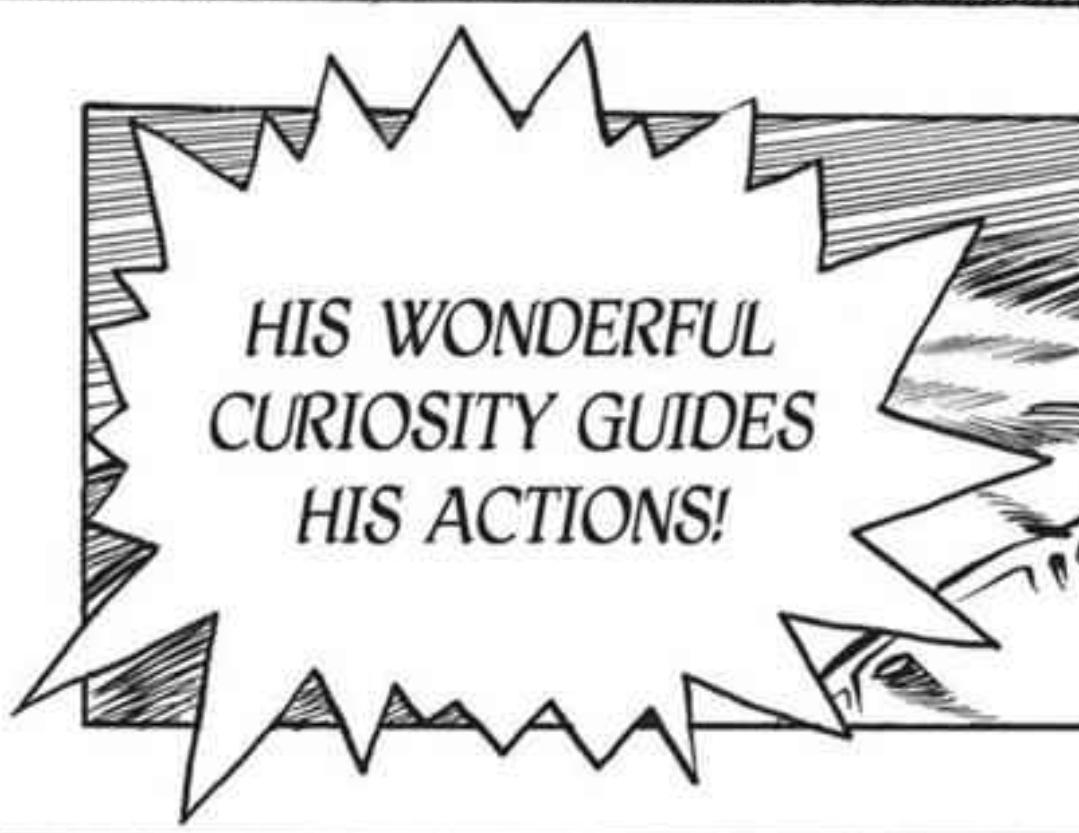
Actually, we're shown Jonathan's youth in a few snapshots of lessons learned the hard way. Danny saving young Jonathan is a key to understanding the "why" of the series ahead. "Danny may have still felt resentment against JoJo, and he certainly had no duty to save him–" In this we're given a reason for Jonathan to value the courage, compassion and loyalty that Araki created the series itself as an ode to.
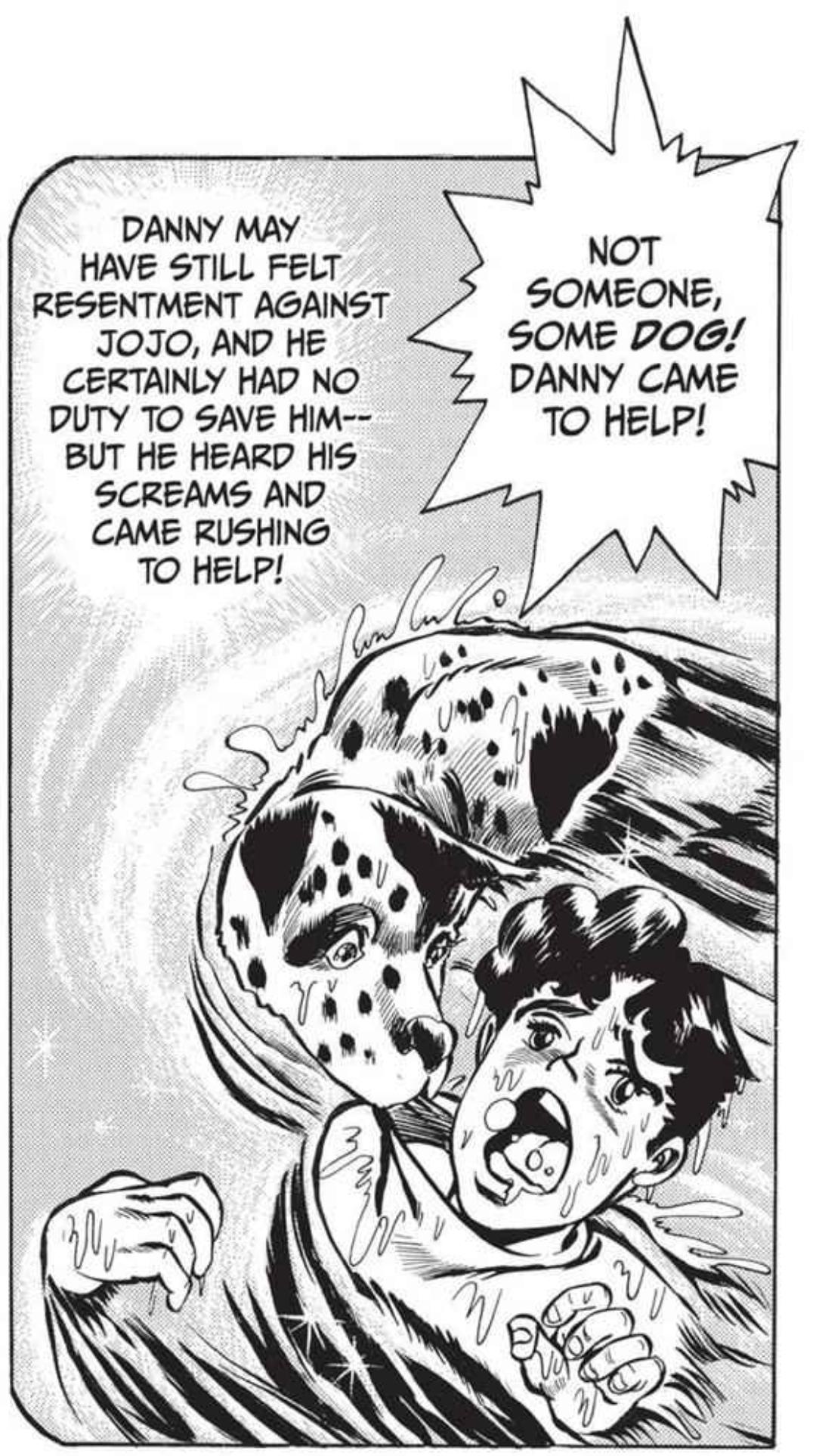
Animals in general are so valued by the narrative of JJBA because, even without "higher reasoning" they can display incredible emotional intelligence. Such is representative of the strong strain of good heart each JoJo possesses. In this first, simplest part, it comes through very clearly. We witness the genesis of this theme both in the larger story and in the history of the Joestar line. "An animal's love is in its care for you even without knowing why." It's reflective of Araki's heroic ideal–which as seen in Jonathan, is simple. Be so good to others it makes you look lost and clueless. Thus animal cruelty marks a heel, not just by the standard puppy-kicking crowdwork, but specifically as a rejection of that ideal.
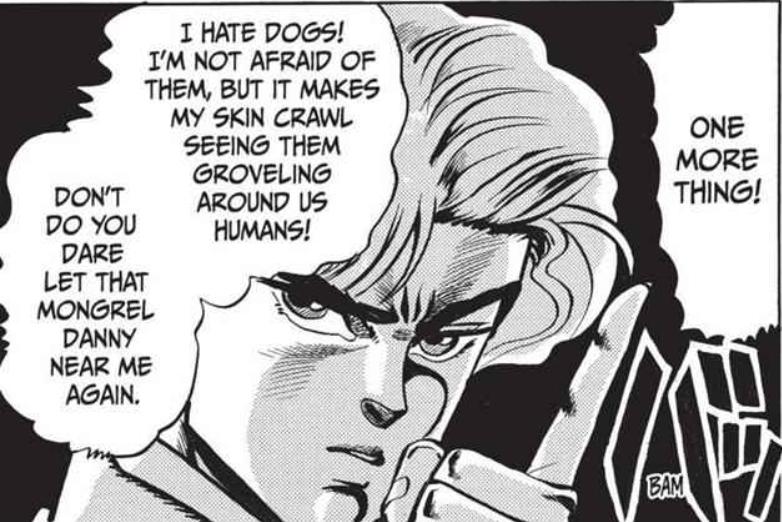
Dio sees a dog's loyalty solely as vulnerability, and despises that weakness; the only thing he holds in more contempt is the humility to reciprocate it.
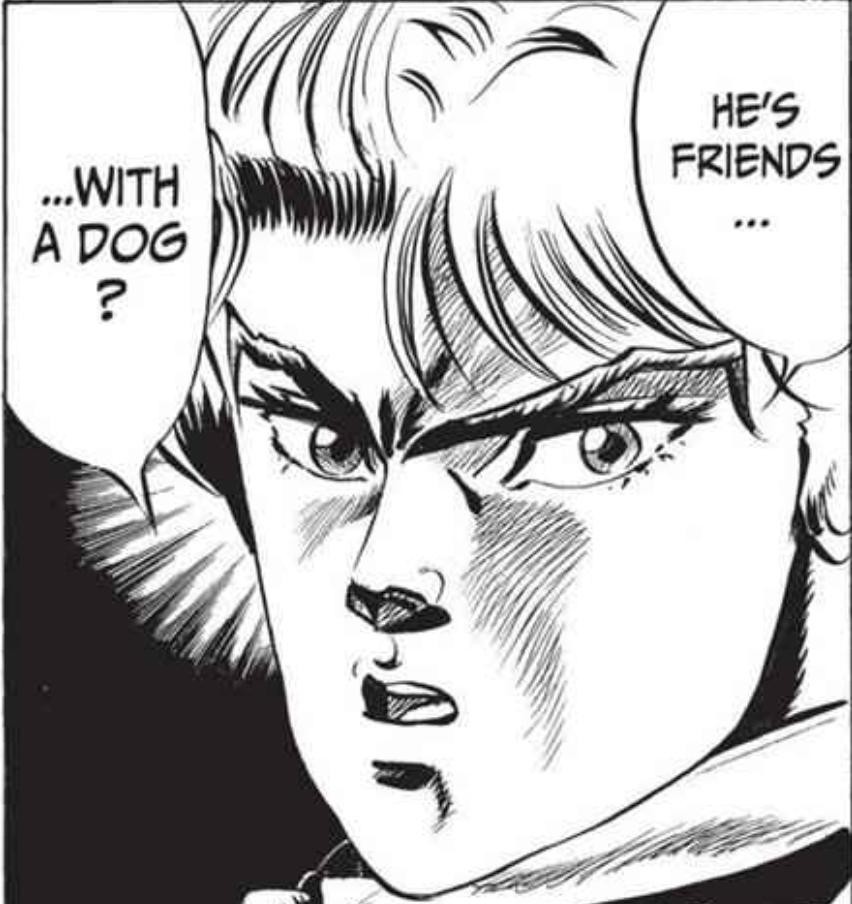
Speaking of Phantom Blood's literary merit, it really struck me how Dio's plan is furthered by nothing so much as Jonathan standing up for Erina in a way that isn't like him. At first, it was just how stylishly Araki depicted it. That concurrent visual and dialogue-driven storytelling informing the reader of two distinct but parallel events (aside from being a prime example of what i mean by Phantom Blood's unrecongized complexity,) really pushed me to sink my teeth into what's being communicated here.
The one time Jonathan gets Dio back, even as it was a (purportedly) selfless fight, it still plays right into Dio's hand. The rattled Dio goads Jonathan into staking his honor on winning the fight, and even as he does deliver bloody "justice," things are no better for Erina and worse for Jonathan. It is the spilled blood of his enemy which curses the Joestar line, the mark of justice becoming wrath which stains this storied destiny. But that only makes sense. No matter whether Jonathan was trying to avenge Erina's honor or his own, the fact remains Dio did it to hurt him; and Jonathan struck the man he had taken in as a brother in vengeance. That loss of discipline only emboldens Dio. Even putting the mask aside, the wound to his ego motivates him to finally kill Danny–as was within his power the whole time–and pushes him farther away from the boundary of the humanity he would go on to reject. Whether from jealousy, wounded pride or something nobler, Dio did cause Jonathan to fall. His design succeeded in the immediate and in an inconceiveable long-term. This was the worst thing Jonathan could have done.
It's truly unfair. Jonathan's nature is to forgive, but it isn't his place to here, even if he had the will. Nor can it be Jonathan's place to make it right. His judgement is evidently clouded by the understandably heightened emotions at play. Dio could only concieve of assaulting Erina as a weaponization of Jonathan's jealousy. In the end, he actually managed to craft a no-win situation for Jonathan based on a sense of virtue to which Dio was never privy, but which is so core to JoJo's being it was revealed to us in Jonathan's debut pages. The sequence is harrowing, not relieving, as a result. Blood flies, but it doesn't paint a picture of triumph. Araki's scuptorly sensibilites never fade, leaving the characters' bodies aesthetically beautiful, one attempts to bludgeon the other to tears of remorse he will never shed, while we readers see Jonathan lose more with each colliding strike than Dio ever had to lose.
Anyway it's been a long week, so it's a short post. Thank you as always for reading !!